Stay Updated with the Latest Insights and Tips
Welcome to our blog page! At 222 Websites, we share valuable content designed to help your business thrive in the digital world. From web design trends to SEO strategies and digital marketing tips, our blog is your go-to resource for staying informed and ahead of the competition.

Custom Website Design vs Templates: Best for Small Business?
Website Design for Small Businesses: Custom Websites vs Templates — Which Delivers Better Growth and ROI?
A strong website matters for small businesses. This guide compares custom website design and template-based sites so you can see which option is more likely to drive growth and deliver a return on investment (ROI). You’ll get a clear look at features, benefits, and limits of each approach — plus practical advice for choosing the right path. If you’re trying to decide between a custom design or a more budget-friendly template, this article lays out what to expect and how 222 Websites can help you make the right choice.
What Are Website Templates and How Do They Serve Small Businesses?
Website templates are pre-built page layouts you adapt to your brand and content. For many small businesses they’re an affordable, fast way to go live. Templates often include ready-made features that lower the technical hurdle, so owners with limited or no developer experience can still manage their site.
What Are Website Templates and Their Common Features?
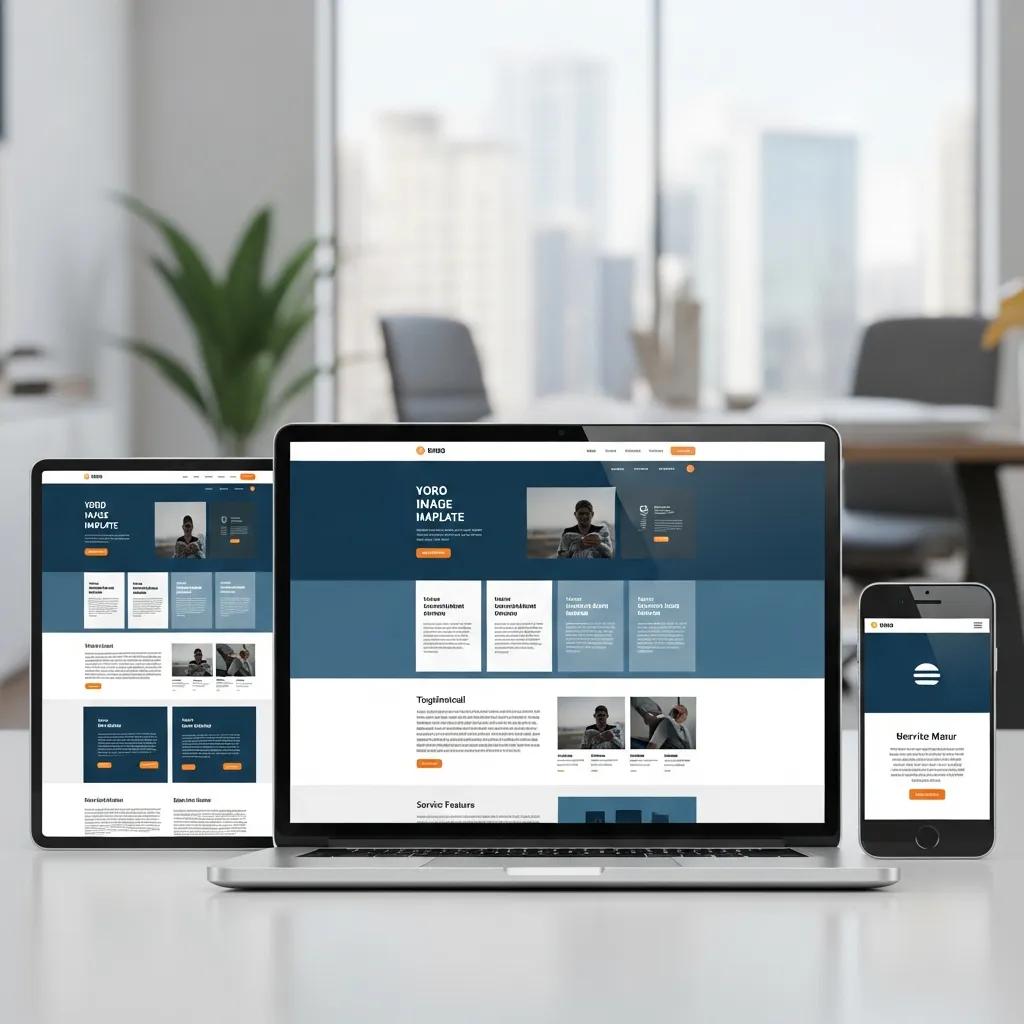
Most templates bundle a set of practical features that make sites usable and flexible. Typical inclusions are:
Responsive Design: Makes sure your site adapts cleanly to desktops, tablets, and phones.
Customization Options: Lets you change colors, fonts, and layouts to match your brand.
Built-in Functionality: Often includes contact forms, galleries, and basic e‑commerce tools out of the box.
Those elements make templates a sensible choice when speed and cost are the priority.
What Are the Advantages and Limitations of Using Templates?
Templates come with clear pros and cons that matter for small businesses:
Advantages:
Cost-Effectiveness: Templates are usually cheaper than custom builds, which helps tight budgets.
Speed of Deployment: You can often launch a template-based site in days, not weeks.
Ease of Use: Many templates are designed for non-technical users to edit and maintain.
Limitations:
Limited Customization: Templates allow some tweaks, but they may not support unique business workflows or designs.
Generic Appearance: Using popular templates can mean your site looks similar to others, which can weaken branding.
Potential SEO Limitations: Not every template is built with SEO best practices, which can affect visibility.
Weighing these trade-offs helps you decide whether a template meets your needs or holds you back.
How Does Custom Website Design Benefit Small Businesses?

Custom website design creates a site built specifically for your goals, audience, and brand. That means more flexibility, a stronger brand experience, and the ability to craft interactions that turn visitors into customers.
What Makes Custom Web Design Unique and Tailored for Small Business Growth?
A custom site is built from the ground up to match your business requirements. Key benefits include:
Personalization: The design and content reflect your brand voice, values, and positioning so you connect authentically with visitors.
Scalability: As your business grows, a custom site can add features and integrations without major rework.
User Experience: Custom flows and layouts can be optimized around how your customers actually behave, improving engagement.
Those advantages often translate to better performance and a site that grows with your business.
How Does Custom Design Improve SEO and Long-Term ROI?
Custom websites can deliver stronger SEO and a better long-term return through several channels:
SEO-Friendly Elements: You can build an optimized site structure, fast load times, and mobile-first layouts from day one.
Higher Conversion Rates: Tailored messaging, forms, and journeys typically convert visitors at higher rates.
Long-Term Cost Benefits: Though the upfront cost is higher, improved traffic and conversions often lead to superior ROI over time.
For many small businesses, custom design is an investment that pays back through increased visibility and sales.
Custom Website vs Template: What Are the Key Differences for Small Businesses?
Comparing custom sites with templates highlights trade-offs around cost, timing, and flexibility — and helps you match the choice to your priorities.
How Do Cost, Time, and Flexibility Compare Between Custom and Template Websites?
ApproachCostTime to LaunchFlexibilityCustom DesignHigher initial investmentLonger development time (typically weeks to months)Highly flexibleWebsite TemplatesLower upfront costQuick deployment (often within days)Limited customization
This snapshot shows the main trade-offs — prioritize what matters most for your goals and resources.
When Is a Template Suitable and When Is Custom Design Essential?
Templates can be a great fit when needs are simple, timelines are tight, or budgets are limited. They’re well suited for:
Startups: Teams that need an online presence quickly and affordably.
Limited Budgets: Businesses that can’t justify a larger upfront investment.
Short-Term Projects: Temporary sites for events, campaigns, or short promotions.
Custom design is the better choice when you need:
Unique Branding: When standing out in a crowded market is critical.
Complex Functionality: If you need tailored features or integrations that templates can’t provide.
Long-Term Growth: When you want a platform that scales with your plans and marketing.
Choosing the right path depends on your current needs and where you plan to take the business.
Why Does Custom Website Design Drive Better Growth and ROI for Small Businesses?
Custom websites often produce stronger growth and ROI because they’re built to support strategy, not just appearance.
How Does Custom Design Enhance Lead Generation and Conversion Rates?
Custom design helps convert more visitors into leads and customers by:
Optimized User Journeys: Clear, intentional navigation and page flow guide visitors to take action.
Effective Call-to-Actions: Strategically placed CTAs encourage sign-ups, calls, and purchases.
Trust and Credibility: A polished, unique site builds confidence and increases likelihood of conversion.
These elements work together to turn traffic into measurable business results.
What Role Does 222 Websites’ SEO-Driven and AI-Integrated Approach Play?
222 Websites pairs an SEO-driven strategy with AI tools so sites look great and perform well in search. That approach includes:
AI-Powered Insights: Using data-driven tools to understand visitor behavior and optimize site performance.
SEO Best Practices: Building sites with the technical and content foundations that help organic visibility.
Ongoing Support: Regular updates and refinements to keep your site competitive as search and user expectations evolve.
Together, these tactics help small businesses attract more qualified traffic and convert it more effectively.
How Can Small Businesses Choose the Right Website Design Option with 222 Websites?
Picking the right design route starts with a clear assessment of needs, timeline, and budget — and a partner who understands small business priorities.
What Are 222 Websites’ Unique Value Propositions for Custom Web Design?
222 Websites focuses on results and accessibility for small businesses with a range of services, including:
Fast Turnaround Times: Streamlined processes get sites live quickly without cutting corners.
Affordable Pricing Models: Options designed to make custom design realistic for smaller budgets.
Ongoing Support and Updates: Continued maintenance and improvements to keep your site working hard.
You can also explore our portfolio to see examples of our custom web design work. These strengths make 222 Websites a practical partner for businesses ready to invest in a site that performs.
How to Schedule a Consultation and Start Your Custom Website Journey?
Getting started is straightforward:
Contact 222 Websites: Reach out by web form or phone to share your interest in custom design.
Discuss Needs: We’ll schedule a consultation to review your goals, audience, and budget.
Receive a Proposal: After the discussion you’ll get a tailored proposal with process, timeline, and cost.
That simple, structured approach lets you move from idea to execution with clarity.
What Are Common FAQs About Custom Website Design vs Templates for Small Businesses?
Here are answers to the questions small business owners ask most when weighing templates against custom builds.
Is Custom Web Design Worth the Investment for Small Businesses?
Yes — in many cases. Custom design is an investment that often pays off through better user experiences, stronger brand presence, and higher conversion rates. If your business depends on standing out or needs specific functionality, custom is usually worth it over the long term.
Can Small Businesses Switch from Templates to Custom Websites Later?
Yes — moving from a template to a custom site is possible. Expect some technical work and costs during the transition, so factor that into your planning if you think you’ll upgrade later.
Frequently Asked Questions
What factors should small businesses consider when choosing between custom design and templates?
When choosing between custom and template options, consider your budget, timeline, and long-term goals. Ask how much customization you need, whether you require special features or integrations, and how quickly you must launch. Also think about your target audience and how the site will support your branding and marketing plans.
How can small businesses assess the quality of a website template?
To evaluate a template, check that it’s responsive, review its customization options, and test how easy it is to update content. Read user reviews and examine whether the template follows SEO best practices. A well-built template should be flexible enough to reflect your brand while providing solid technical foundations.
What are the ongoing maintenance needs for custom websites compared to templates?
Custom sites often require more hands-on maintenance because they include unique code and integrations. That means regular updates, security patches, and occasional feature work. Templates usually need fewer custom fixes but still require updates to ensure compatibility and performance. Budget for maintenance either way.
How can small businesses measure the success of their website after launch?
Measure success with key performance indicators like traffic, bounce rate, and conversion rate. Tools such as Google Analytics reveal how users behave on your site. Also track engagement metrics — time on site, page views, and click-throughs on calls to action — to see whether your site supports business goals.
What role does user feedback play in website design improvement?
User feedback is essential. Use surveys, usability testing, and analytics to find friction points and improvement opportunities. Iterative changes based on real user input tend to increase satisfaction and conversions over time.
Are there specific industries that benefit more from custom website design?
Certain industries benefit especially from custom design — for example, e-commerce, healthcare, legal, and service businesses that need specialized functionality, compliance, or a distinct brand presence. Custom sites allow these organizations to tailor user journeys and features to their operational needs.

Unleash Your Business Brilliance.
Your Online Success Starts Here
© 2026 222 Websites - All Rights Reserved