
Stay Updated with the Latest Insights and Tips
Welcome to our blog page! At 222 Websites, we share valuable content designed to help your business thrive in the digital world. From web design trends to SEO strategies and digital marketing tips, our blog is your go-to resource for staying informed and ahead of the competition.

Leading Website Designers in Charleston: Discover the Elite
Top Website Design in Charleston, SC — Find Charleston’s Leading Website Designers
Choosing an elite local web design partner in Charleston is about more than just good looks. You need a team that creates sites that generate leads, load fast on every device, and deliver measurable SEO gains. This guide explains how the top Charleston designers differ from the rest, how integrated digital marketing and AI tools boost results, and the practical steps small business owners can use to evaluate cost, timeline, and likely ROI. You’ll also learn why subscription models reduce large upfront costs, why mobile-first and local SEO matter for Charleston businesses, which questions expose an agency’s true capabilities, and a buyer’s checklist to help you pick a partner that drives real leads and growth.
What Makes the Best Local Web Designers in Charleston Stand Out?

The strongest local designers combine efficient delivery, clear pricing, SEO-first development, and ongoing support to build sites that turn visitors into customers. They move quickly without cutting corners by using focused discovery, reusable components tailored to a brand, and tight review cycles that limit rework. Technical SEO and Core Web Vitals are part of the build, so sites rank better locally and perform smoothly on phones. Top firms also include maintenance and reporting so sites stay secure, up-to-date, and aligned with marketing goals—lowering long-term costs and enabling steady improvement.
Key ways Charleston web design teams differentiate themselves:
Quick turnarounds that shorten time-to-lead and accelerate campaigns.
Clear subscription pricing that avoids big upfront bills and eases cash flow.
SEO-first architecture and performance tuning to boost organic visibility.
Ongoing support, inclusive edits, and performance monitoring for lasting value.
Local market knowledge that customizes content and targeting for Charleston audiences.
These distinctions affect how projects run in practice, so understanding delivery gives a clearer picture of what “elite” actually means.
How Do Charleston’s Leading Designers Deliver Fast and Affordable Website Design?
Top designers get speed and cost-efficiency by using repeatable design systems and focusing on the features that drive value. They start with a tight discovery, map the core user journeys, then reuse proven component libraries while customizing brand details where it counts. Quality is preserved with staged reviews and automated checks for responsiveness and accessibility to avoid late-stage changes that delay launch. Subscription pricing further spreads costs into predictable monthly fees so smaller businesses can afford full-featured sites without a hefty upfront payment. Knowing these workflows helps owners balance time, cost, and custom functionality when choosing a partner.
That operational clarity leads straight into why SEO must be built in from day one.
Why Is SEO-Driven Web Design Essential for Charleston Small Businesses?
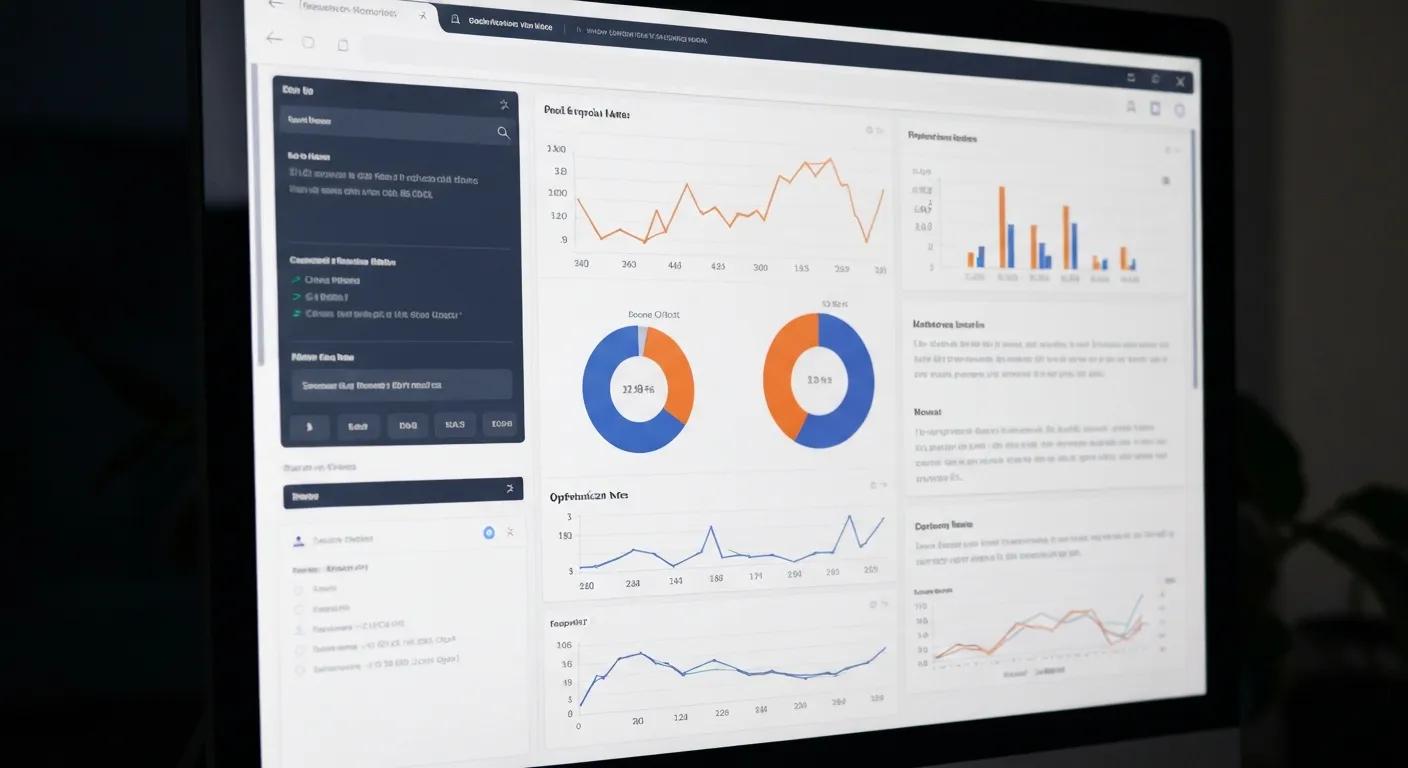
SEO-driven web design blends site structure, content strategy, and technical performance from the start so your site can begin earning visibility at launch. That means semantic markup, optimized meta tags, URL structure built around target keywords, on-page copy for local intent, and Core Web Vitals improvements like optimized images and caching. When SEO is integrated into the build, you avoid costly retrofits and see faster organic growth and better conversion rates. Early SEO investment also makes KPI tracking—like organic leads—reliable, letting agencies demonstrate measurable progress within months instead of after a long redevelopment.
The Significance of Local Search Engine Optimization for Business Expansion
Ignoring local SEO means missing a meaningful share of nearby customers. Local SEO tactics help businesses connect with people in their geographic area, improving both online discoverability and in-person visits.
Everything You Must Know Before Hiring an SEO Company! The 7 Biggest Reasons for needing Local SEO, 2013
Embedding SEO into design also makes later marketing more efficient, which is why many agencies now combine web and digital marketing services.
Which Charleston Web Development Companies Offer Comprehensive Digital Marketing Solutions?
Full-service firms bundle web development with content strategy, local SEO, and paid media to build a coordinated growth engine instead of disconnected deliverables. Integrated teams ensure landing pages, ads, and SEO content all drive the same conversion goals and KPIs, simplifying reporting and making budgets more efficient. Agencies that combine development and marketing can run A/B tests, apply AI-driven content and spend optimizations, and attribute leads more accurately. Those capabilities typically produce higher ROI than piecemeal work because they reduce handoffs, speed up learning, and align incentives across design and promotion.
Common benefits of integrated service bundles include:
Aligned objectives: Web + marketing strategies focused on conversions, not isolated deliverables.
Faster iteration: Shared teams push content and technical changes quickly based on performance data.
Consolidated reporting: One set of KPIs makes cost-per-lead and lifetime value easier to measure.
Integrated teams also use automation and AI to boost performance while keeping local relevance—explained next.
How Do AI-Powered Marketing Strategies Enhance Website Performance in Charleston?
AI-powered marketing improves content relevance, personalization, and analytics by automating repetitive tasks and highlighting high-impact opportunities. Machine learning can analyze behavior to prioritize content updates, predict which local landing pages will convert best, and refine ad targeting to lower cost-per-lead. Optimization tools speed up keyword mapping and semantic enrichment so pages rank for long-tail local searches. Still, AI augments human strategy rather than replaces it—quality control is essential to keep brand voice and compliance intact. When AI insights are paired with local knowledge and clear KPIs, you’ll see faster gains in CTR, engagement, and conversions.
AI-Driven Predictive Analytics for Website Performance Optimization
This study examines how predictive analytics and AI can move website teams from reactive fixes to proactive, data-informed strategies that better anticipate user behavior and market trends—leading to more effective lead generation and higher conversion.
Artificial intelligence based predictive analytics for website performance optimization, S Mathur, 2024
These AI capabilities work best when combined with local market expertise that shapes messaging and targeting for Charleston audiences.
What Local Expertise Do Charleston Agencies Bring to Small Business Web Design?
Local agencies know Charleston buyer personas, seasonality, and neighborhood keywords that national firms often miss. They understand which directories, associations, and events affect search visibility and can build landing pages for nearby neighborhoods and tourist queries. Experience across local industries—restaurants, tourism, professional services, retail—lets agencies write persuasive local content and add schema that improves relevance in map packs and local results. Local insight also guides UX choices, like mobile navigation patterns for tourists versus residents, improving conversion paths for different audiences.
Local expertise reduces testing time and increases the chance your site content and structure resonate quickly with Charleston searchers.
How Can Small Businesses Find Affordable Website Design in Charleston?
When shopping for affordable web design, compare pricing models, deliverables, and total cost of ownership. Look at subscription plans that spread cost over months versus traditional upfront projects to find what matches your cash flow and growth plan. Ask for clear scopes listing deliverables, timelines, hosting, support, and included SEO to avoid surprise fees. Also request performance-based examples and realistic timelines for organic traffic and lead improvements so you can model ROI before signing.
Subscription vs. upfront pricing comparison:
Package NamePayment ModelMonthly Cost / Upfront CostSubscription PackageRecurring monthly fee for design + maintenanceVaries by scope; spreads cost and removes large upfront feesFixed-Price ProjectOne-time upfront payment for design and launchUpfront cost varies by features and custom developmentHybrid PlanInitial smaller upfront fee + monthly ongoing servicesCombines lower initial investment with ongoing support
Clear comparisons help you pick the model that fits your budget and growth expectations. Next, consider what subscription packages commonly include.
What Are the Benefits of Subscription-Based Website and SEO Packages?
Subscription website and SEO plans give predictable monthly budgets, continuous updates, and often include hosting and security—useful for small businesses with limited capital. These packages usually cover ongoing content updates, performance monitoring, and a set number of edits, reducing the need for separate retainers. Predictable billing aligns vendor incentives around steady performance and improvements rather than a single launch. For growing businesses, subscriptions enable gradual optimization—improving SEO, adding landing pages, and iterating on conversion elements—without a large capital outlay.
Knowing exactly what a subscription covers lets you compare value instead of just price, and sets realistic expectations for timelines and results.
How Do Transparent Pricing Models Help Charleston Businesses Avoid Large Upfront Costs?
Transparent pricing spells out deliverables, timelines, and support so owners can forecast expenses and avoid hidden charges that hurt ROI. A clear quote should itemize design scope, content work, SEO setup, hosting, security, maintenance, and response times for edits. Ask vendors what triggers extra fees—additional pages, integrations, or custom development—to prevent surprises. Transparent offers often include subscription options that move costs into operating budgets, making upgrades and ongoing optimization more attainable for small businesses.
Below is a checklist to evaluate transparency in proposals:
Does the quote list deliverables and what’s excluded?
Are hosting, backups, and security included or billed separately?
Is there a clear SLA or response time for support and edits?
Clear proposals reduce negotiation friction and make sure everyone knows what to expect before work starts.
What Are the Proven Results of Working with Charleston’s Leading Website Designers?
Proven results show up as measurable KPIs—organic traffic growth, more leads, and lower cost-per-acquisition—that agencies document in case studies. Ask for before-and-after comparisons with timelines, the tactics used (technical fixes, content expansion, local schema), and how results were tracked. Third-party validation—awards or industry rankings—can add credibility when paired with transparent metrics. Evaluate providers by metric, not just design style, to see whether they can actually drive calls, messages, and appointments.
Ask agencies to include these elements in case studies so you can verify results:
Challenge: The baseline problems and goals that defined the project.
Solution: The technical and content changes implemented.
Metrics: Clear KPIs showing traffic, leads, or conversion improvements.
Timeline: The period over which changes and results occurred.
Case studies with these pieces let you compare providers and set realistic expectations for timelines and outcomes.
Which Case Studies Demonstrate Measurable ROI from Charleston Web Design Projects?
Look for case studies that list specific metrics tied to business outcomes—organic lead gains, lower cost-per-lead, or faster time-to-conversion—instead of vague praise. A solid case study includes the starting baseline, the strategy (technical SEO, content, UX changes), and measurable results over a defined period. Agencies that share the tools and measurement methods (analytics, call tracking, form-event tracking) make it easier to validate claims. If numbers aren’t public, request an anonymized sample report to confirm methodology and how reproducible the outcomes are for similar local businesses.
Knowing how results were measured helps you set realistic expectations for your own project.
Case StudyMetricResultLocal service businessLead volumeAgency-reported uplift in leads after site launch and local SEO adjustmentsE-commerce retailerConversion rateImproved checkout conversions following performance and UX optimizationsProfessional services firmLocal visibilityIncreased local map-pack appearances after GMB and schema work
These examples illustrate the kinds of outcomes to request—always ask for timelines and measurement details to confirm reliability.
How Do Client Testimonials and Awards Validate Charleston Agencies’ Expertise?
Testimonials and awards are useful proof—but only when they’re verifiable, recent, and tied to outcomes. Structured testimonials and schema on an agency site can also help local search visibility and enhance snippets. Recognized awards and dated citations add third-party validation, while client quotes that reference metrics or process steps boost confidence. Still, validate testimonials by asking for references or case-study reports to ensure they represent repeatable success rather than one-off wins.
Checking provenance and specificity in testimonials separates real expertise from marketing claims and naturally leads into the technical practices that sustain results.
How Do Charleston Website Designers Optimize for Mobile and Local SEO?
Mobile and local optimization are core to Charleston web design because many local searches start on mobile and expect fast, relevant answers. Effective optimization combines responsive layouts for small screens, Core Web Vitals improvements to cut load time and layout shifts, and local schema plus Google Business Profile work to boost map-pack visibility. Technical work pairs with localized content and citation management to build authority for neighborhood- and service-specific queries. Prioritizing these elements during the build reduces friction, improves mobile conversions, and increases discoverability for Charleston searchers.
Optimizing Core Web Vitals for Improved Digital Performance and Business Outcomes
Optimizing Core Web Vitals provides a practical framework for better digital performance. Evidence shows a clear link between improved Core Web Vitals, stronger user experience, and positive business results—making it a key factor in website effectiveness.
Optimizing Core Web Vitals: A Comprehensive Framework for Enhanced Digital Performance, 2025
Key mobile and local best practices include:
Responsive layouts and touch-friendly navigation to boost mobile conversions.
Core Web Vitals tuning: faster LCP, minimal CLS, and low TTFB.
Local schema, consistent citations, and GMB optimization to improve map-pack presence.
The table below links optimization elements to techniques and expected outcomes.
Optimization ElementTechniqueExpected OutcomeResponsive DesignMobile-first layouts, adaptive imagesBetter mobile conversions and compliance with mobile-first indexingCore Web VitalsImage compression, caching, reduced third-party scriptsFaster page loads and improved ranking signalsLocal Schema & GMBLocalBusiness schema, optimized Google Business ProfileHigher visibility in local search and map results
Putting these tactics together creates faster, more relevant experiences that both rank and convert better for local searches.
Why Is Responsive Design Crucial for Charleston Small Business Websites?
Responsive design delivers a consistent, usable experience across devices—critical because many local searches come from mobile users who are ready to act. With mobile-first indexing, search engines use the mobile site for ranking, so a poor mobile experience can hurt visibility. Responsive layouts also simplify content management and reduce duplicate-content risks. Using fluid grids, flexible images, and priority content ordering improves engagement and search performance, directly supporting lead generation for small businesses.
Focusing on responsive design naturally leads into local SEO tactics that amplify visibility in Charleston.
What Local SEO Strategies Boost Visibility for Charleston Businesses?
Local SEO combines on-site optimization, citation management, and review strategies to improve visibility for neighborhood and service queries. Start by optimizing your Google Business Profile, ensuring consistent NAP entries across directories, creating locally targeted landing pages, and adding local schema to define service areas. Encouraging and responding to reviews boosts prominence and click-through rates, while content about local events, neighborhoods, and common buyer questions builds topical relevance. Together, these tactics improve your chances of appearing in map packs and local organic results that drive visits and calls.
Begin with easy wins—complete GMB profiles, consistent citations, and local landing pages—then iterate with content and review strategies for steady improvement.
How Can Small Business Owners Choose the Right Website Designer in Charleston?
Picking the right designer takes a clear evaluation of process, deliverables, and proven outcomes to make sure the work matches your business goals. Request portfolios in your industry, ask for case-study metrics, and confirm that technical SEO and Core Web Vitals are part of the standard build. Check communication cadence and support SLAs so you know how quickly updates will be handled after launch. Compare pricing for total cost of ownership and see whether ongoing optimization and reporting are included so you can track value over time.
Use this checklist when interviewing agencies:
What is your process from discovery to launch, and how do you handle revisions?
Which SEO and performance optimizations are included in the base build?
How is ongoing support billed, and what response times are guaranteed?
Can you provide case studies with measurable KPIs and the measurement approach?
Who owns the site assets and content after launch, and what are handoff procedures?
These questions show whether an agency focuses on outcomes and transparent delivery, helping you predict long-term value and reduce vendor risk.
What Questions Should You Ask Before Hiring a Charleston Web Design Agency?
Before signing, ask operational and outcome-focused questions that reveal process rigor and accountability. Request measurable examples from similar clients and ask how the agency tracks leads and attributes conversions. Clarify support terms, edit limits, and how performance is reported. Ask for sample timelines and what materials you must provide to keep the project on schedule. Strong answers include concrete milestones, the analytics tools used, and how SEO and responsiveness are validated before launch to avoid surprises.
Good responses will reference specific deliverables, measurement tools, and clear responsibilities rather than vague promises.
How Does 222 Websites Compare to Other Charleston Web Design Companies?
222 Websites positions itself as a local choice for small businesses looking for fast delivery, subscription pricing, and SEO-driven outcomes. Core claims include rapid turnarounds—sites launched in as little as one week—subscription plans that remove large upfront costs, SEO-focused builds, ongoing support with inclusive edits and performance monitoring, and a data-driven, AI-assisted marketing approach. The firm has earned recognition such as "Best Website Design Agency in Charleston of 2025" and "Top Website Development Company 2025," and lists Sean Patrick Hyde as the founder contact. These factual points help business owners compare local providers without overstating results.
This direct comparison helps you decide which features—speed, pricing model, or long-term support—matter most for your business.
For a consultation, quote, or to request case-study details, contact 222 Websites using the details below. The team can walk through subscription options, transparent pricing, and relevant case studies that show measurable outcomes for Charleston small businesses.
222 Websites 222 Capitol Street Suite 522, Charleston, WV 25301, USA [email protected] +13044844229
Frequently Asked Questions
What should small businesses consider when evaluating web design agencies in Charleston?
When comparing agencies, focus on experience in your industry, concrete case studies with measurable results (traffic or leads), and a clear design process that outlines revisions and post-launch support. Understand the pricing model—subscription or upfront—and confirm SEO and performance optimization are included so your site performs from day one.
How can small businesses leverage local SEO to improve their online visibility?
Improve local visibility by optimizing your Google Business Profile, keeping NAP (Name, Address, Phone) consistent across directories, and publishing locally focused content. Responding to reviews and using local schema helps search engines and users find you. These steps increase your chance of appearing in local searches and bringing in nearby customers.
What role does website maintenance play in long-term web design success?
Maintenance keeps your site secure, functional, and up-to-date. Regular updates to content and plugins prevent vulnerabilities and improve user experience. Ongoing performance monitoring helps you spot speed or SEO issues early. Investing in maintenance preserves your site’s effectiveness and supports steady growth.
How can businesses measure the ROI of their web design investment?
Measure ROI by tracking KPIs like organic traffic, lead volume, and conversion rates. Establish baseline metrics before launch and compare them afterward. Use analytics to monitor behavior and traffic sources, and set clear goals for leads or sales so financial returns are easier to calculate. Regular reviews help you refine strategy and improve returns.
What are the advantages of using AI in web design and marketing strategies?
AI brings faster personalization, better content relevance, and more efficient analytics. It can automate repetitive tasks, surface opportunities for improvement, and speed up keyword and content optimization. Used alongside human oversight, AI helps you make data-driven changes that improve engagement and conversions.
What are the common pitfalls to avoid when selecting a web design agency?
Don’t rush the decision—compare multiple agencies and check references. Avoid unclear pricing or vague promises, and be skeptical of unrealistic timelines or guaranteed results. Verify case studies, confirm the agency understands your business goals, and ensure contracts clarify ownership, deliverables, and support terms.

Unleash Your Business Brilliance.
Your Online Success Starts Here
© 2026 222 Websites - All Rights Reserved