
Stay Updated with the Latest Insights and Tips
Welcome to our blog page! At 222 Websites, we share valuable content designed to help your business thrive in the digital world. From web design trends to SEO strategies and digital marketing tips, our blog is your go-to resource for staying informed and ahead of the competition.
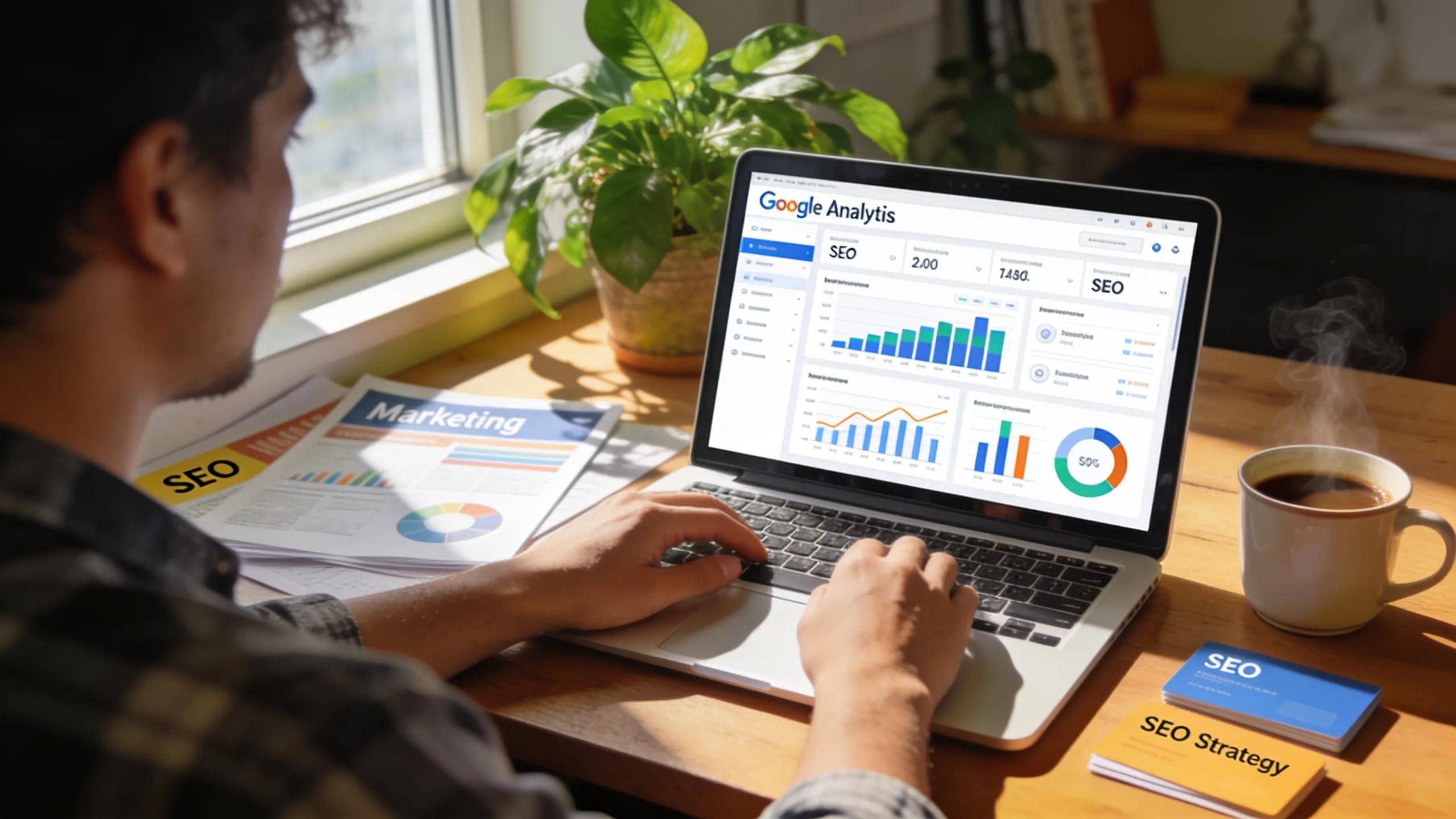
Master Your SEO Strategy: Small Business Success in 90 Days
SEO for Small Businesses: What to Do in the First 90 Days
By Sean Hyde, 222 Websites
Getting noticed online can be daunting. This practical 90-day plan covers research, on-page fixes, and measuring results so you focus on actions that move visibility and traffic. Follow the steps below to build a dependable SEO foundation for steady growth.
What to Expect in the First 90 Days
The first three months are about establishing a solid base: set realistic goals, create a simple roadmap, and prioritize fixes that yield measurable gains. Early wins usually come from resolving technical problems, aligning content to user intent, and tracking core metrics so you can iterate.
The Impact of Web Analytics and SEO on Small and Medium-sized Enterprise Growth
This study highlights how digital tools like web analytics and SEO are reshaping marketing for SMEs — offering opportunities but also new challenges for businesses with limited resources. It underscores that thoughtful use of analytics and search optimization can be a major factor in long-term growth.
Digital transformation in marketing: evaluating the impact of web analytics and SEO on SME growth, AJ Mou, 2022
Month 1: Research and Planning
Learn your market and site. Run keyword research, complete a technical audit to catch speed or mobile issues, and do a brief competitive review. The output: a prioritized roadmap of fixes and content to implement in months two and three.
Month 2: On-Page Optimization

Focus on pages that can attract visitors: optimize meta titles and descriptions, tidy headers and on-page copy, and ensure content answers searcher intent. Publish useful, well-structured content and complete local setup (GMB/NAP) if you serve a specific area.
Month 3: Building Authority and Measuring Results
Shift toward outreach and authority: seek backlinks via partnerships or guest posts and monitor domain signals. Use analytics to measure traffic, engagement, and conversions so you can see which activities deliver value.
Small businesses often combine core SEO tools with a web design or digital services partner to handle larger issues like site architecture or conversion optimization. The link below points to an example provider:
web design and digital services
ToolFeatureApplicationGoogle AnalyticsTraffic analysisTrack user behavior and traffic sourcesSEMrushKeyword trackingMonitor keyword rankings and competitive landscapeAhrefsBacklink analysisIdentify backlinks and track anchor text
Together, these tools show where to focus improvements and which efforts drive the most value.
Practical SEO Checklist
Use a short checklist to stay focused and measure progress monthly. Key priorities include:
Keyword Identification: Place priority keywords naturally across pages and content.
Technical Audit Completion: Fix broken links, improve page speed, and ensure mobile responsiveness.
Local Listings: Confirm your business appears correctly on Google My Business and local directories.
These items keep your SEO efforts targeted and measurable.
What Is an SEO Audit for a Small Business — and How to Do One in the First 15 Days?
An SEO audit diagnoses issues that block rankings: structural problems, content gaps, and technical barriers like slow load times or poor mobile experience. Run an audit in the first two weeks, prioritize quick visibility fixes, then schedule strategic improvements.
Optimizing Website Design for Digital Promotion in SMEs
This paper examines the common obstacles SMEs face when promoting products online and proposes improved website design combined with SEO techniques to boost digital sales. It stresses that better design and targeted SEO help overcome limited resources and expertise.
Design Website for Digital Promotion SMEs Product by Optimize SEO Techniques, A Akbar, 2023
Which Metrics and Tools Should Beginners Use for an SEO Audit?
Start with a small set of KPIs: organic traffic, bounce rate, and conversion rate. Use Google Search Console and Google Analytics to spot issues and track changes before adding more advanced metrics.
How to Benchmark Your Website's Current SEO Performance
Create a baseline for page authority, keyword positions, and organic traffic. Tools like Moz, SEMrush, or Ahrefs help compare your site to competitors and reveal priority gaps to address first.
How to Use Local SEO to Boost Visibility for Your Small Business
Local SEO helps area customers find you. Optimize your Google My Business profile and keep NAP (name, address, phone) consistent across listings. Small, consistent updates often produce noticeable local gains.
Steps to Optimize Google My Business for Local Search
Claim and Verify Your Listing: Claiming your business is the first step to controlling how it appears in local search.
Complete Business Profile: Fill every field — hours, services, photos, and a clear description.
Encourage Customer Reviews: Positive, recent reviews build trust and help local rankings.
These steps increase the chances local customers will find and choose your business.
Local SEO Tactics That Drive Traffic and Improve Rankings
Combine on-site improvements with community engagement. Try these tactics:
Utilize Local Keywords: Use phrases customers in your area actually search for.
Engage with the Community: Sponsor events, partner locally, and get mentions on community sites.
Measure Outcomes: Track local search impressions and clicks to learn what works.
These practical tactics help attract nearby customers and improve local search performance.
Content Marketing Strategies for the First 90 Days
Create content that answers real customer questions. Prioritize blog posts, how-to guides, and visuals (infographics or short videos) that match search intent and encourage sharing.
How Keyword Research Shapes Your Content Plan
Keyword research reveals topics and language your audience uses. Build content around those terms to attract relevant visitors and provide useful answers.
Content Types and Link-Building Techniques for Beginners
Start with practical formats: blog posts, tutorials, and case studies. For links, pursue guest posts, local partnerships, and content that naturally earns backlinks. Track which formats attract links and repeat them.
How to Measure and Adjust SEO Performance in the First 90 Days

Measure consistently and iterate. Set a small set of KPIs, review them weekly or monthly, and base decisions on data so you can stop ineffective tactics and scale successful ones.
Key SEO KPIs to Track for Small Business Success
Focus on metrics that show audience interest and business impact:
Organic Traffic: Visitors arriving from search engines.
Bounce Rate: How often visitors leave after one page.
Conversion Rate: The share of visitors who complete a goal (purchase, sign-up, call).
These KPIs indicate whether SEO brings the right visitors and drives action.
Tools That Help Monitor Progress and Guide Strategy
Use Google Analytics, Google Search Console, SEMrush, and Ahrefs to monitor trends, diagnose issues, and guide decisions. These tools make it easier to spot improvements and prioritize work.
Frequently Asked Questions
What common SEO mistakes do small businesses make in the first 90 days?
Common mistakes are skipping keyword research, ignoring meta tags, and failing to run a full audit. Don’t over-focus on technical fixes while neglecting content and local presence; follow a balanced plan covering technical health, content, and listings.
How much time should small businesses spend on SEO each week?
Allocate roughly 5–10 hours per week during the first 90 days, split among research, content, and review. As processes become routine, weekly time often falls but steady effort remains important.
Can social media affect SEO performance for small businesses?
Social media won’t directly change rankings but amplifies content, drives traffic, and can lead to backlinks. Use social channels to share useful content and increase visibility.
What are the benefits of working with local influencers for SEO?
Local influencers increase visibility and credibility, driving targeted traffic and sometimes links from local sites. Choose influencers whose audience matches your customers.
How does mobile optimization affect SEO success?
Mobile optimization is essential since most users browse on phones and search engines favor mobile-friendly sites. Ensure responsive design, fast loads, and clear navigation to improve rankings and user experience.
What role does content freshness play in an SEO strategy for small businesses?
Fresh content signals relevance and keeps visitors returning. Regular updates or new posts help maintain rankings and deliver ongoing value to your audience.

Unleash Your Business Brilliance.
Your Online Success Starts Here
© 2026 222 Websites - All Rights Reserved