
Stay Updated with the Latest Insights and Tips
Welcome to our blog page! At 222 Websites, we share valuable content designed to help your business thrive in the digital world. From web design trends to SEO strategies and digital marketing tips, our blog is your go-to resource for staying informed and ahead of the competition.

Building Professional Websites for Small Business Success
Building professional websites for small business success is a vital step in establishing a strong online presence. A well-crafted website not only showcases your products and services but also helps build credibility, attract customers, and create long-term growth opportunities. Websites for small business are essential tools for reaching a wider audience, improving customer engagement, and boosting sales. The right website can set you apart from competitors, allowing you to present your business in a professional light, even if you're just starting out. Whether you're looking to create a simple informational page or an extensive e-commerce platform, investing in a professional website is one of the most effective ways to ensure your small business thrives in today’s digital world.
Why a Professional Website Is Crucial for Small Business Growth
A professional website is essential for the growth and credibility of any small business. In an increasingly digital world, consumers expect businesses to have an online presence, and without one, you risk losing potential customers. A well-designed website allows you to showcase your products or services, present your brand, and provide valuable information to potential clients. Furthermore, a professional website enhances trust and demonstrates that your business is legitimate and serious about customer service. It also serves as a 24/7 marketing tool, enabling your business to reach a broader audience and increase sales, even when you're not physically open.
Choosing the Right Platform for Websites for Small Business
Choosing the right platform for your small business website is crucial to creating a successful online presence. Many website builders, such as WordPress, Wix, and Squarespace, offer various features and pricing plans tailored to small businesses. When selecting a platform, consider factors like ease of use, scalability, customization options, and the level of support provided. It’s important to choose a platform that can grow with your business as your needs evolve. Additionally, ensure the platform offers SEO tools, mobile optimization, and security features to protect customer data.
Key Design Elements for Creating a Professional Small Business Website
Creating a professional small business website requires careful attention to key design elements that ensure a visually appealing, functional, and user-friendly experience. A well-designed website not only builds trust with visitors but also encourages engagement and conversions. From layout and branding to navigation and mobile responsiveness, each component plays a vital role in your site’s success. Below are five essential design elements to consider when building a professional small business website:
High-Quality Content and Copywriting
Engaging and informative content is key to keeping visitors interested and converting them into customers.
Craft a clear and concise business description on the homepage.
Use SEO-friendly copywriting to help your site rank higher on search engines.
Add an About Us page to share your business story and build trust.
Write compelling service or product descriptions with benefits and features.
Strong Calls-to-Action (CTAs)
CTAs guide visitors toward taking desired actions, such as making a purchase or contacting your business.
Place strategic CTAs throughout the website (e.g., “Sign Up,” “Get Started,” “Request a Quote”).
Use contrasting colors to make CTAs stand out.
Keep the language clear and action-oriented.
Contact Information and Accessibility
Make it easy for potential customers to get in touch with you.
Display your phone number, email, and physical address prominently.
Use a contact form for easy inquiries.
Include live chat or chatbot options for real-time customer support.
List your business hours if applicable.
Trust Signals and Social Proof
Building credibility is essential for converting visitors into customers.
Display customer reviews and testimonials prominently.
Include trust badges, certifications, and security seals (e.g., SSL certificates).
Showcase case studies or success stories if applicable.
Feature links to your social media profiles to build community trust.
Search Engine Optimization (SEO) Best Practices
SEO helps your website rank higher on search engines, increasing visibility.
Use keyword-rich headings and meta descriptions for every page.
Optimize images with alt text for search engines and accessibility.
Implement internal linking to help users navigate your site.
Regularly update your blog or content to keep it fresh and relevant.
Secure and Reliable Website Hosting
A secure website protects user data and improves trustworthiness.
Choose a reliable hosting provider with strong uptime guarantees.
Install an SSL certificate to encrypt data and improve security.
Keep your website software and plugins updated to prevent vulnerabilities.
Implement backup solutions to prevent data loss.
Analytics and Performance Tracking
Tracking performance helps you make data-driven improvements to your website.
Use Google Analytics or similar tools to monitor visitor behavior.
Track key metrics such as bounce rate, page views, and conversion rates.
A/B test different layouts, CTAs, and content strategies to optimize performance.
Creating a professional small business website requires a combination of aesthetics, functionality, and user experience. By focusing on these key design elements, you can build a website that attracts visitors, engages customers, and drives business growth.
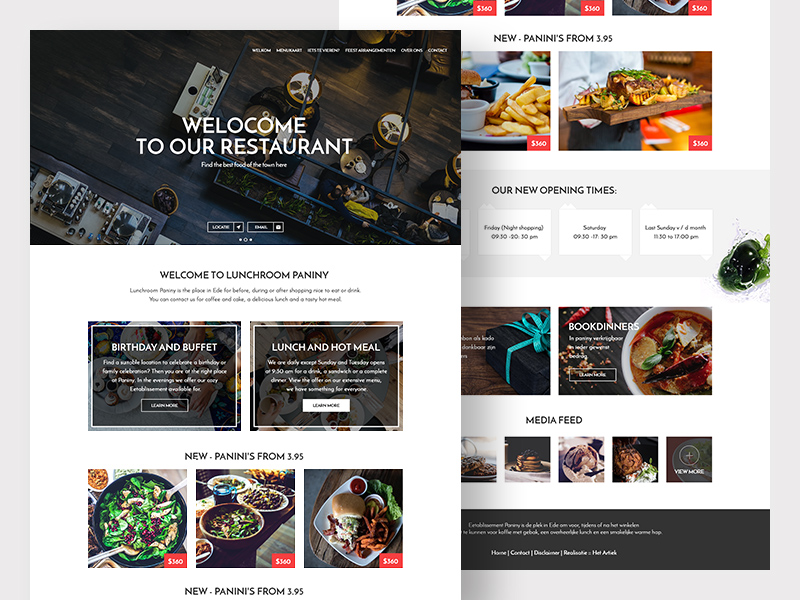
Enhancing User Experience on Websites for Small Business
Enhancing the user experience (UX) on your small business website is key to keeping visitors engaged and encouraging conversions. A positive UX involves creating an intuitive, easy-to-navigate site where users can quickly find what they need. Start by ensuring your website loads quickly, as slow loading times can drive potential customers away. Responsive design is also critical—your website should be fully functional on desktops, tablets, and mobile devices. Simplicity is essential, so avoid cluttering your site with too much information or unnecessary design elements. Clear navigation, a well-structured layout, and accessible contact information contribute to a smooth and enjoyable user experience.
Leveraging SEO to Improve Website Visibility and Traffic
SEO (Search Engine Optimization) is a vital tool for improving your website’s visibility and driving organic traffic to your small business website. By optimizing your site for search engines like Google, you increase your chances of ranking higher in search results, making it easier for potential customers to find you. Start by conducting keyword research to identify terms and phrases relevant to your business. Incorporating these keywords naturally into your website’s content, headings, meta descriptions, and URLs can significantly improve your SEO ranking. Additionally, optimizing images, improving site speed, and obtaining backlinks from reputable sources all contribute to better SEO performance. Regularly updating content and ensuring your site is mobile-friendly also plays a role in boosting SEO. By leveraging SEO effectively, you can attract more visitors and improve your website’s chances of converting them into loyal customers.
Integrating E-Commerce Features into Websites for Small Business
Integrating e-commerce features into your small business website is an essential step if you're looking to sell products or services online. Most website builders offer easy-to-use e-commerce functionalities, allowing you to add product listings, manage inventory, and process payments securely. E-commerce integration includes setting up shopping carts, checkout systems, and payment gateways, such as PayPal or Stripe, to ensure a seamless buying experience for customers. Additionally, features like product filtering, customer reviews, and related product suggestions can help improve the user experience and encourage sales. It’s also crucial to include clear shipping and return policies to build customer trust. Whether you're a small boutique or a service-based business, e-commerce features enable you to tap into the growing online marketplace and expand your revenue streams.
How to Maintain and Update Your Small Business Website for Long-Term Success
Maintaining and updating your small business website is crucial for ensuring its long-term success. Regularly updating your website’s content keeps it fresh and relevant, which helps to improve SEO rankings and attract repeat visitors. Start by checking for broken links, outdated information, and any technical issues that could affect the user experience. It’s also important to refresh your product offerings, services, or blog posts to keep customers engaged. Website security should be a top priority, so regularly update plugins and security software to protect your site from cyber threats. Additionally, track website performance using analytics tools to identify areas for improvement. Whether it’s refining your design, enhancing mobile functionality, or adding new features, regularly maintaining your website ensures it continues to serve your business and customers effectively.
Conclusion
Building professional websites for small business success is a crucial step in establishing a strong online presence, attracting customers, and driving growth. A well-designed website enhances credibility, improves user experience, and boosts visibility, ensuring your business stands out in a competitive market. At 222 Websites, we specialize in creating affordable, high-quality websites tailored to the needs of small businesses. If you're ready to elevate your online presence, visit us at 222 Capitol St Suite 522, Charleston, WV 25301, or contact us today. Let’s build a website that helps your business thrive!
Unleash Your Business Brilliance.
Your Online Success Starts Here
© 2026 222 Websites - All Rights Reserved